
Skin Disease
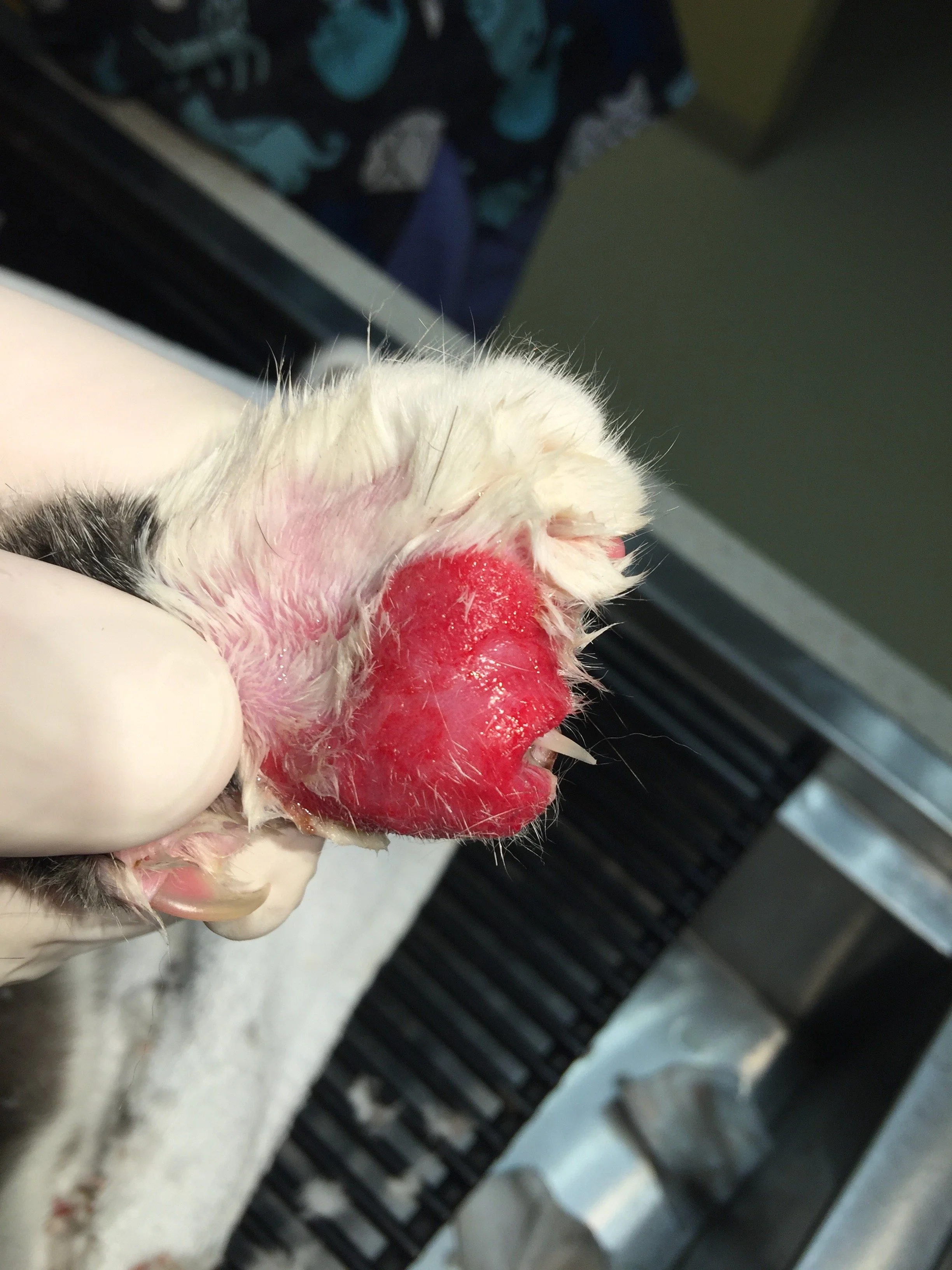
Skin problems not only damage your cat's appearance but also cause him great discomfort. They can present a challenging diagnostic problem for the veterinarian, sometimes taxing you and your patience in the hunt for a solution.
Symptoms
Symptoms of skin problems include loss of hair, flaking skin, and scabs or rashes, but they don't stop at just making your cat look bad. They also can lead to more serious problems such as deep skin infections, behavioral changes due to stress, and seemingly endless scratching.
Probable Causes
Something as simple as a flea infestation can be at the root of the problem, but determining the reason is never quite so easy. It's a bit like being caught in the middle of a mystery novel. Consider our prime suspects:
• Allergies
Allergies are a common cause of skin problems. Cats can react severely to flea bites and airborne allergens. Just like you, your cat can also be allergic to many chemicals and other things with which she comes into contact. Cats may also have allergies to certain foods or medications. Internal parasites are yet another on this long list of allergy causing suspects.
• Infectious Agents
Our list of suspects includes organisms too small to be seen without a microscope such as bacteria (pyoderma) and fungi such as ringworm. These microbes can cause rashes, sores and a variety of other skin lesions. Ectoparasites are a bit large and live on or visit your cat, causing big problems. Ectoparasites include fleas, mites, and mange. You may have noticed thatfleas were also included in the Allergy category. If your cat is allergic to flea bites, one or two bites is more than enough to cause a miserable and prolonged outbreak of itching. However, even if your cat is not overly sensitive to flea bites, enough of the little critters will drive just about any cat crazy with itching in pretty short order.
• Poor Nutrition
Dietary deficiencies, such as a lack of sufficient fatty acids in the diet, can cause a variety of problems for your cat, including skin disease and irritation.
• Stress. Even your cat can suffer physical symptoms from psychological challenges.
• Other causes are much rarer than the previous suspects, but they still have to be considered. They are auto immune disorder, endocrine disorders, and neoplastic disease.
Diagnosis
We use the process of elimination to get to the bottom of your cat's skin problems. As you may have deduced, fleas are always a prime suspect. Therefore, we need to eliminate the possibility that fleas are causing your cat's skin problems. Initial treatment for flea-related problems consists of aggressive flea control in the living environment as well as on the cat. If fleas are eliminated as the cause, the veterinarian may prescribe dietary supplements and/or medications to keep your cat more comfortable while other diagnostic procedures are performed. These may include:
• testing a stool sample for intestinal parasites
• scraping the skin to look for mites
• running tissue cultures to look for fungi and bacteria
• placing your cat on a special diet if food allergy is suspected
• performing a biopsy, or removal of a small piece of affected tissue, to have it tested by a specialized laboratory
Treatment
Based on what we uncover during our detective work, we may prescribe any combination of the following: antibiotics, topical medication, medicated shampoos and conditioners. We may also employ systemic glucocorticoids ("steroids") in selected cases to assist in the healing process. If it turns out to be a psychological problem causing your cat's skin problems, we treat the psychogenic itch (neurodermatitis) with environmental modification and anti-anxiety medication to reduce your cat's stress levels.
Prevention
Prevention of severe skin problems requires excellent cooperation and communication between you and your veterinarian. As soon as you notice problems, please arrange an appointment to see us. You and your cat will benefit greatly from the effort if skin problems are minimized and exterminated quickly.