
Kidney Disease
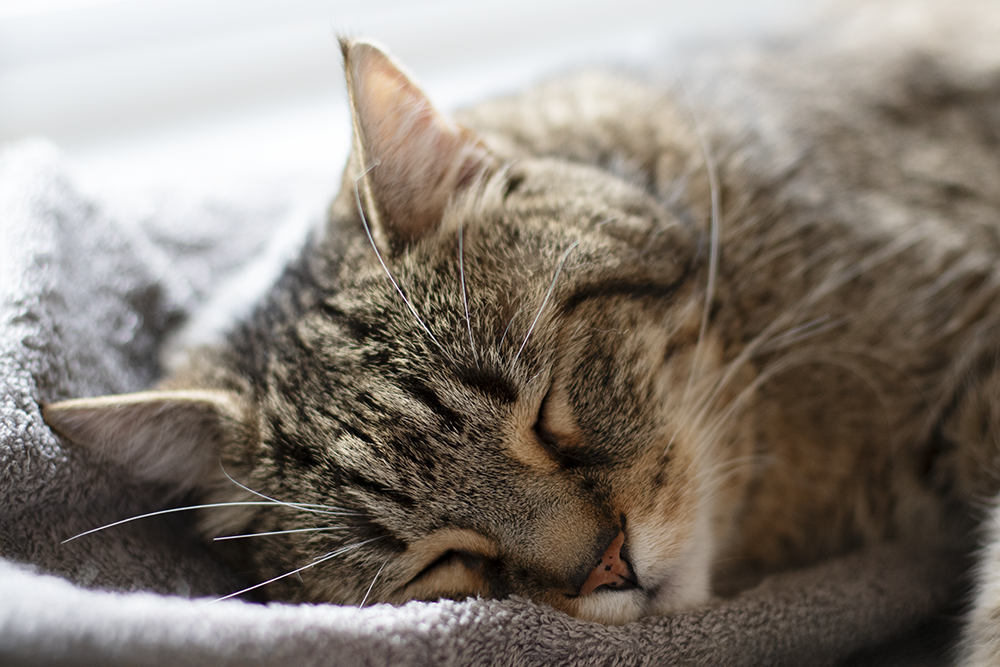
Kidneys perform very important functions within the body. By filtering the blood, they are responsible for ridding the body of waste products. They help the body conserve fluid by producing a very concentrated urine. Kidneys are also involved in the regulation of blood pressure and red blood cell production and help balance certain electrolytes in the body. One or more of these functions can be affected when kidneys begin to decline.
Blood tests measure kidney function by measuring electrolytes and the waste product levels in the blood. A urinalysis includes a chemical and microscopic examination of the urine as well as determining the concentration of the urine. A urinalysis can sometimes detect kidney disease at an earlier stage than the blood tests. Because there are multiple causes for kidney disease, additional tests such as an ultrasound may be needed to determine the specific cause of kidney disease in a particular cat.
There are two types of kidney disease. Acute and chronic. Acute disease occurs for many reasons such as a bacterial infection or the ingestion of a toxic substance like antifreeze or melamine( pet food, 2 years ago). If acute disease can be diagnosed early, then steps can be taken to stop the kidney failure and restore kidney function. Chronic kidney disease occurs with old age or low-grade problems that have killed off kidney cells to the point that the kidney can no longer keep up with its function of clearing waste products. Chronic disease tends to be progressive and accelerate with time. The main treatment is to slow down this progression and help the body compensate for this decreased function.
Fluid intake is critical for cats with kidney disease. Because the kidneys cannot reclaim fluids to perform the job of processing wastes, they require a larger volume of fluids to excrete wastes. Cats that have kidney disease should not be deprived of water. It is a good idea to put out extra bowls of water in case one is accidentally spilled. Try putting a bowl near the cat's favorite sleeping place so a drink is always within easy reach. It is important to encourage your cat to drink often. As with all of us, thirst is a signal from the body when dehydration occurs. Thirst is what drives your cat to the water bowl. A very well hydrated individual is rarely thirsty, so anything that can be done to encourage your cat to drink just because he/she likes the taste will be helpful. The Cat Doctor recommends canned food, as it has a much higher water content than dry food. In addition, you may add water to the canned food, but be careful not to overdo this. Your cat needs to finish its meals and not just lick off the juice. Many cats like broths (low salt is preferable) and tuna water. You may add a much larger volume of water to a can of tuna in a blender to make more. You may freeze the extra broth or tuna water in ice cube trays and you will have a handy supply of tasty water treats always available.
Because your cat's kidneys require more fluid to perform their functions, more urine will be produced. Cats will need to urinate more often and will produce larger volumes. It is imperative to increase the cleaning of the litter box to accommodate this increased usage. It may be necessary to add another litter box or move its location to be more easily accessible.
The waste products the kidneys must eliminate come mostly from the proteins your cat eats. Because your cat is a carnivore, dietary protein should not be reduced . Instead, make sure the protein in your cat's diet is coming from animal sources instead of grains such as corn, soy, wheat, or rice flour. In addition to supplying more fluid, canned diets are usually higher in protein quality. Many cats with kidney disease prefer to eat smaller meals more frequently. You may make some dry food available, but ideally the majority of your cat's diet should be canned foods. Table food may be offered but it is best to discuss this with your veterinarian first. At times, it may be advisable to also include specially formulated diets, such as Renal LP.
Constipation can be a problem for some cats with kidney disease due to the increased demand for fluids by the kidneys. Since the large intestines reclaims fluid from the stool, the increase in fluid taken from the stool can dry out the stool excessively resulting in constipation. The addition of fiber to canned food can help keep fluid in the stool. Benefiber or Miralax can be used to help your cat’s BM’s. The stool should be formed, not dry small pieces and also not soft. When adding supplements to your cat's food, make sure your cat continues to eat its food well.
Antioxidants can improve the environment within the kidney. The most effective antioxidants are the Omega 3s. Omega 3s are natural anti-inflammatories. Most diets lack the high levels of Omega 3s needed to produce an anti-inflammatory effect, therefore supplementation is necessary. Fish oils contain high levels of Omega 3s and are accepted by many cats. Flaxseed oil will not provide the same benefit as cats lack an enzyme which allow the conversion to Omega 3s. There are many types of fish oil available, however when dealing with cats it is best to use a concentrated product. A less concentrated oil may require such a large amount to be used that your cat may experience intestinal problems. At The Cat Doctor we have a supplement which can be sprayed directly onto food making dosing easy on both the owner and the cat
There are several more specific therapies which may help kidney health, some of which improve blood flow to the kidney, bind to toxins preventing them from adversely affecting the kidneys or manage the potential complications of anemia, hypertension or infection. Because these medications are prescribed for specific conditions, they are only used when indicated for each particular patient. In addition to conventional medical therapies, The Cat Doctor also offers several alternative therapeutic options. These therapies have helped many cats diagnosed with kidney disease live many years. At the Cat Doctor we work in conjunction with you to provide a comprehensive approach to managing your cat with kidney disease.